NUESA DEBATE CORNER: Are Nigerian Universities Producing Engineers or Just Graduates?
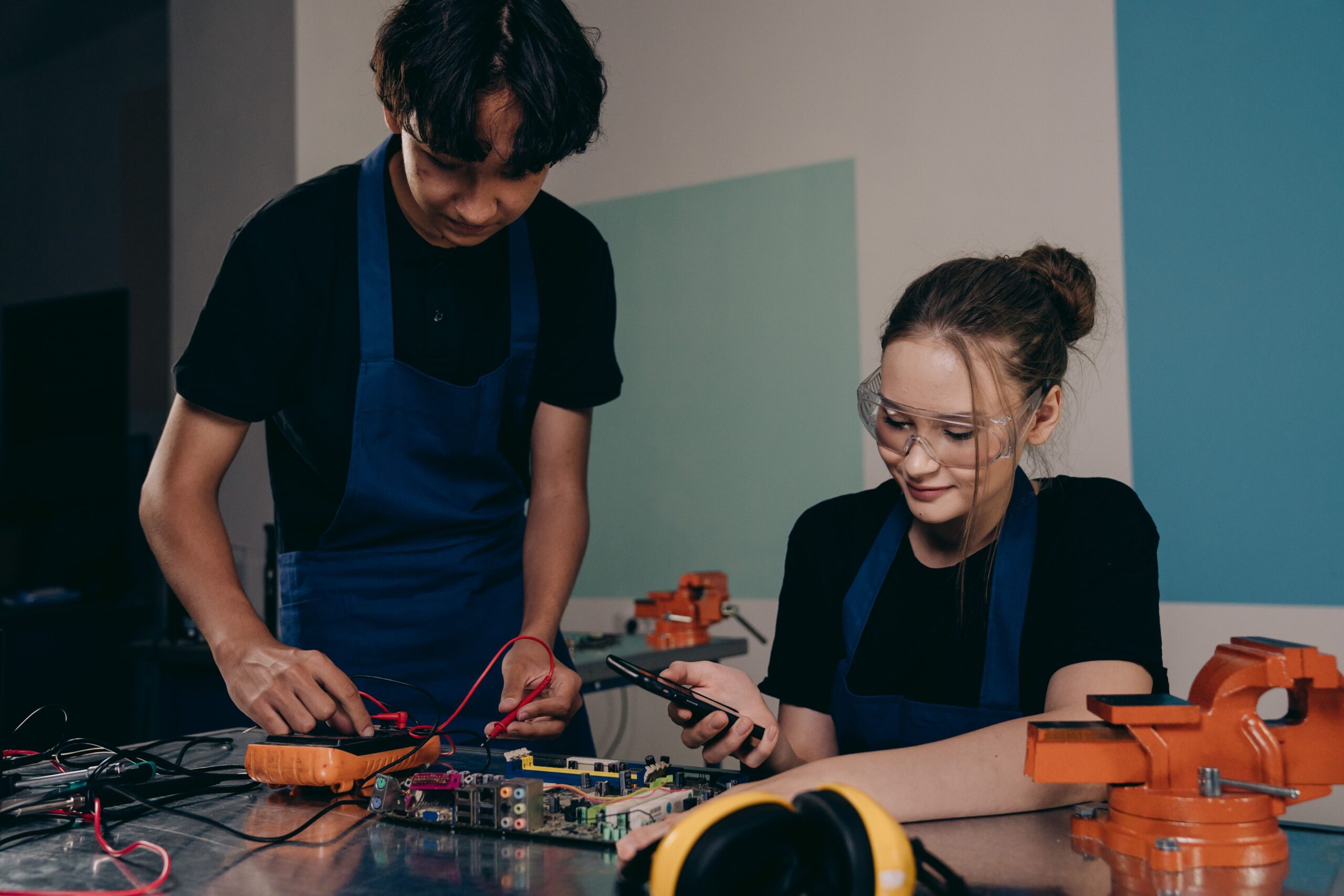
The Question Every Engineering Student Should Think About
You spend years attending lectures, solving mathematical problems, writing laboratory reports, completing assignments, and preparing for examinations. Eventually, you graduate with an engineering degree.
But here is an important question:
Are you actually prepared to work as an engineer?
Engineering is a profession built around solving problems. Whether it involves designing buildings, developing machines, maintaining electrical systems, improving production processes, or creating technological solutions, engineers are expected to apply their knowledge to real-world situations.
However, there is an ongoing conversation about whether the traditional university learning experience provides enough practical exposure to prepare engineering graduates for these responsibilities.
Some believe Nigerian universities place too much emphasis on theoretical knowledge, leaving students with limited opportunities to develop practical skills. Others argue that theoretical knowledge is the foundation of engineering and that students must also take responsibility for developing their technical abilities outside the classroom.
So, where does the problem really lie?
The Case for Practical Experience
Imagine graduating from an engineering department with an excellent academic record but struggling to operate basic industry equipment, interpret technical drawings, use relevant engineering software, or handle an actual engineering project.
Would your certificate alone be enough?
Practical experience allows students to understand how theories work outside textbooks. Laboratory sessions, industrial training, technical workshops, research projects, and engineering competitions help bridge the gap between academic knowledge and professional responsibilities.
For example, a civil engineering student may understand structural analysis theoretically but still need practical experience in construction methods, material testing, and site supervision.
Similarly, an electrical engineering student may understand circuit theories but require hands-on experience with electrical installations, testing equipment, and troubleshooting.
These experiences help transform theoretical understanding into professional competence.
But Is Theory Being Undervalued?
On the other hand, engineering cannot function without a strong theoretical foundation.
Practical skills without proper technical understanding can lead to poor designs, incorrect calculations, and potentially dangerous engineering decisions.
Universities are expected to provide students with the scientific and mathematical principles needed to understand complex engineering systems.
Furthermore, not every practical skill can be taught within a university environment. Industrial experience, personal learning, professional mentorship, and continuous development also play important roles.
Perhaps, therefore, the problem is not that universities teach theory, but whether students are given enough opportunities to connect that theory with practical applications.
Who Should Take Responsibility?
This is where the discussion becomes interesting.
Should universities do more by improving laboratory facilities, strengthening industrial partnerships, and introducing more project-based learning?
Should students take greater responsibility by learning relevant software, joining technical communities, participating in competitions, and developing personal projects?
Or should industries provide more structured opportunities for students to gain practical experience before graduation?
Perhaps all three have responsibilities to fulfil.
However, one thing is certain: producing competent engineers requires more than passing examinations.
What Does the Future Require?
The engineering profession continues to evolve. Artificial intelligence, automation, renewable energy, advanced manufacturing, and digital engineering tools are changing the skills expected of graduates.
Future engineers will need more than academic knowledge. They will need problem-solving abilities, technical competence, creativity, communication skills, and the willingness to keep learning.
This raises another important question: Are we preparing ourselves for the engineering profession we are entering, or simply working towards obtaining a degree?
NOW, LET’S HEAR FROM YOU!
This is not a question with one obvious answer. We want to hear different perspectives from students across all NUESA departments.
Join the debate:
- Do you believe Nigerian universities are producing competent engineers or graduates who still require significant practical training?
- Who should take greater responsibility for preparing engineering students for the workplace: universities, students, or industries?
- If you could change one thing about engineering education at OAUSTECH, what would it be?
Don’t just agree or disagree. Explain your position and support it with examples or personal experiences.
Drop your opinion in the comment section. Let’s have a meaningful conversation!
NUESA Debate Corner – Different Perspectives. One Engineering Community.